
Select location

Select location
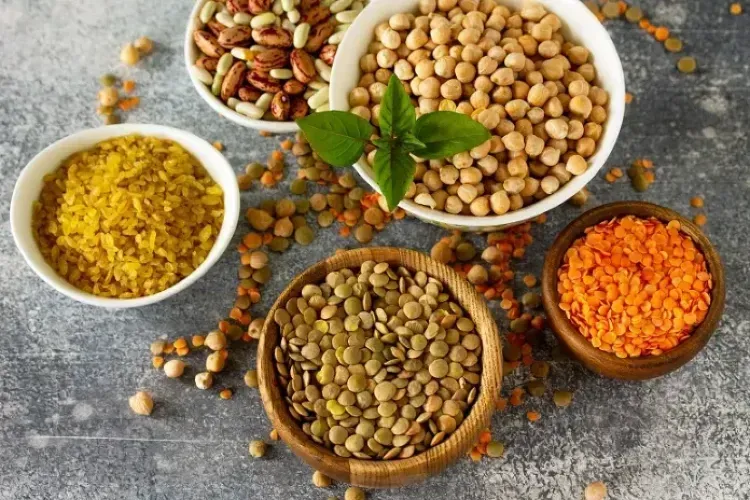
In almost every Pakistani household, daal (lentils) holds a special place. Whether it’s a comforting plate of daal chawal on a busy weekday or a flavourful daal ghost prepared for a dinner dawat, lentils are both versatile and nutritious. They’re rich in protein, fiber, and essential minerals, making them a key part of our daily diet — especially for families looking for affordable yet wholesome meals.
This guide covers the most common types of daal in Pakistan, their benefits, and how they’re enjoyed in Pakistani cuisine.
No matter the colour, you will find daal in any and every Pakistani household. This is because:
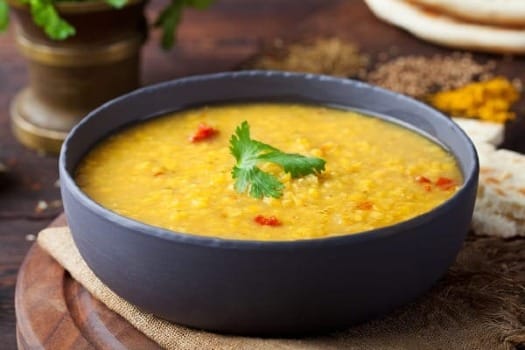
Masoor dal or masoor ki daal (also known as our favourite yellow or peeli daal) is one of the quickest lentils to cook, which is why it’s a staple in many households. Known for its mild flavour and beautiful orange-red color (which turns yellow after cooking), it’s easy to digest and pairs perfectly with rice or chapati.
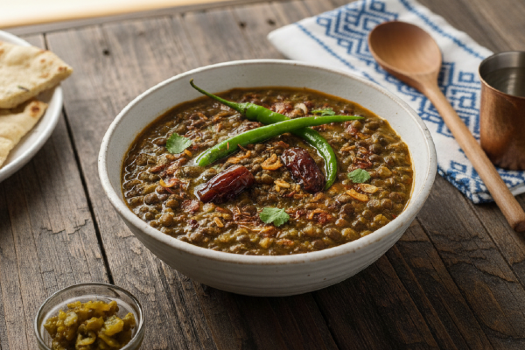
Kaali daal, or sabut masoor daal, is the whole version of red lentils with its dark outer skin intact. Unlike split masoor dal, it has a deeper, earthier taste and a thicker texture when cooked.
Benefits: High in protein, fiber, and essential minerals, making it both filling and nutritious.
Popular Use: Often slow-cooked for a hearty daal, enjoyed with naan or chawal. Some households also prepare it with a buttery tarka for extra richness.
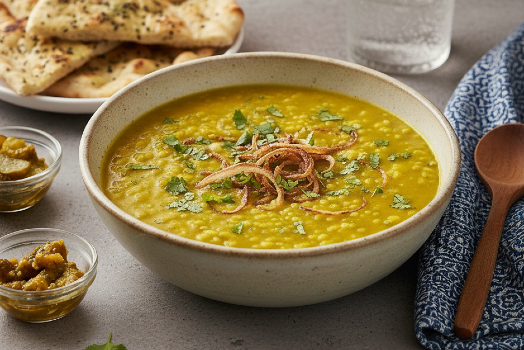
Moong ki daal is another popular choice, valued for being light and easy to digest. It comes in two varieties: split yellow and whole green. In many households, moong daal is mixed with masoor ki daal to make al.
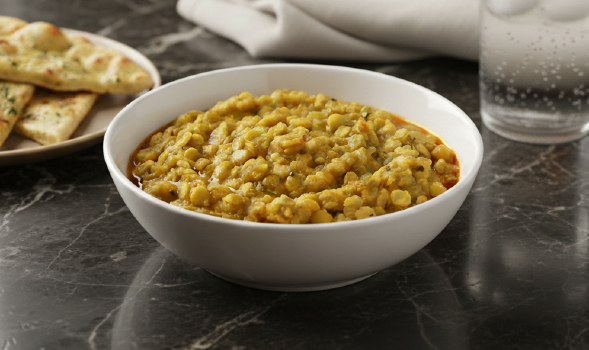
Also known as mash ki dal, this variety is creamy and rich when cooked. It’s often prepared with butter or ghee for indulgent meals.
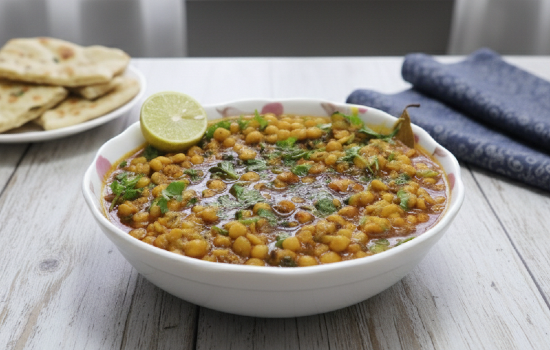
Chanay ki daal is hearty and filling, with a nutty flavour. It’s often cooked both on its own or with meat.
Many households love combining multiple lentils like masoor, moong, mash, and chana to create mixed daal. This not only improves flavour but also balances nutrition.
P.S. you can explore these daal varieties on Bazaar App and get them delivered straight to your doorstep the very next-day!
Eating daal regularly also contributes to heart health, improved energy levels, and balanced diets for both adults and children.
The classic daal chana recipe combines split chickpeas (cholay) with onions, tomatoes, garlic, and green chilies for a hearty dish. It’s often topped with a tarka of cumin and red chili for extra flavour. Some households also add meat (like qeema) for a richer variation.
Masoor ki dal (red lentils) has a mild, earthy flavour and cooks quickly, making it perfect for everyday meals. Moong ki daal, on the other hand, is lighter and easier to digest, which is why it’s often recommended for kids or people recovering from illness.
Yes, mash ki dal (white lentils) is packed with protein, calcium, and potassium. However, traditional recipes often use ghee or butter, which can make it heavier. For a lighter version, you can prepare a mash ki daal recipe with less oil while still enjoying its nutty flavour.
The calories in daal chawal typically range from 300–400 per serving, depending on the type of lentils used and the amount of oil or ghee in the tarka. It’s considered a wholesome, balanced meal when eaten with moderation.
For starters, try a simple dal masoor recipe with onions, tomatoes, and garlic, or a quick daal moong cooked with turmeric and cumin. Both are light, easy to prepare, and full of flavour.
Yes! Blends like moong masoor daal or mixed daal (masoor, moong, mash, and chana) are popular in many Pakistani homes. They give a richer texture and combine the nutritional benefits of different lentils.
Daal mash is creamier and richer in taste, often made for special occasions with naan. Dal masoor, being lighter and faster to cook, is preferred for everyday meals and quick dinners.
From masoor dal to mash ki daal, lentils are more than just budget-friendly meals — they’re a core part of Pakistani culture and everyday nutrition. With so many types to choose from, you can enjoy variety while still keeping your meals healthy and satisfying.