
Select location

Select location
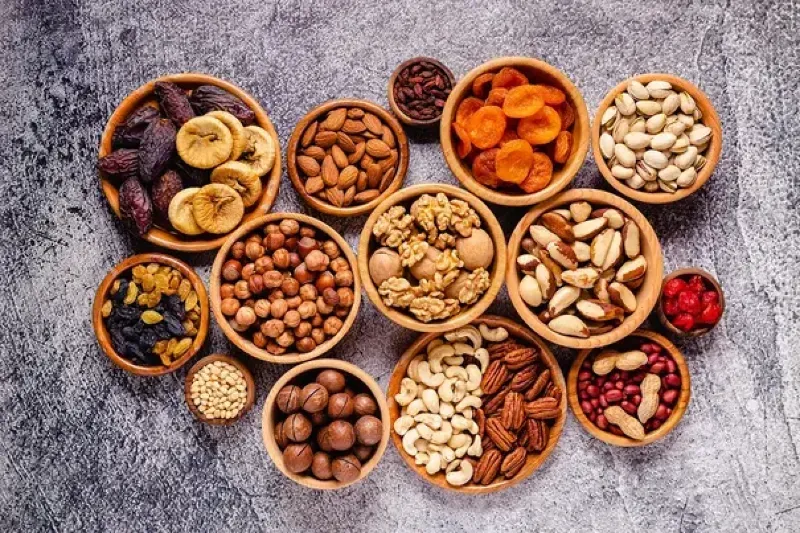
Dry fruits are a staple of Pakistani winters — whether added to halwa, munched on during chai time, or gifted in mix dry fruit boxes during the festive season. They’re nutrient-dense, naturally sweet, and packed with the vitamins and minerals your body craves as temperatures drop.
With colder months bringing flu season, low energy, and immunity challenges, choosing the right dry fruits in Pakistan can make a big difference in your overall health and strength. In this guide, we explore the top dry fruits for winter, their benefits, what makes them popular locally, and answer some popular FAQs about dry fruits.
If you’re shopping for dry fruits online Pakistan, or comparing dry fruit price in Pakistan, this guide will help you make the right picks. And best of all, you can find the best dry fruits at Bazaar App and get them delivered the very next day!
Almonds are one of the most consumed dry fruit in Pakistan, loved for their mild flavour and powerful nutrition.
Why they’re great for winter:
Use them for: Snacking, badaam milk, halwa, granola, and topping desserts.
Fun fact: Almonds (kaju dry fruit in Urdu usage is sometimes confused with cashews — do not mix the two!) are low in carbohydrates, making them ideal for weight management.
Cashews are buttery, delicious, and extremely popular in winter snacking.
Benefits:
Chilgoza dry fruit price in Pakistan may be highest, but cashews are often considered the most premium everyday dry fruit.
Walnuts are known as the "brain dry fruit" because of their shape — and their benefits match the name.
Why they’re powerful:
Calories in dry fruits: Walnuts are calorie-dense but extremely nutrient-efficient.
Pista dry fruit is a winter favourite, especially roasted and salted varieties sold in local bazaars.
Benefits:
Tip: Pistachios are also one of the best dry fruits for skin health.
Sweet, chewy, and perfect for topping desserts, kishmish is a staple in every household.
Why raisins matter:
This is one of the most affordable dry fruits in Pakistan and is commonly used in mix dry fruit packs.
Anjeer dry fruit is known for its medicinal properties.
Winter benefits:
Calories in dry fruits: Anjeer is calorie-dense, which makes it ideal for weight gain when consumed regularly.
While dates are popular year-round, winter dates like Aseel and Mabroom are especially nutrient-rich.
Benefits:
Dates are also popular in dry fruits online Pakistan stores for gifting packs.
Perhaps the most premium dry fruit in Pakistan, chilgoza dry fruit price in Pakistan increases each winter due to high demand.
Why chilgoza is powerful:
A small handful is enough because chilgoza is extremely nutrient-rich.
A traditional Pakistani favourite, especially in northern regions.
Benefits:
Often used in winter desserts like khubani ka meetha.
These tangy, chewy fruits are incredibly helpful during winter sluggishness.
Benefits:
Also used in chutneys and winter drinks.
Here’s why dry fruits should be part of every winter pantry:
Dry fruits are calorie-dense — but packed with essential nutrients, making them ideal for winter nourishment.
You can now compare dry fruit price in Pakistan, check freshness, and order dry fruits online Pakistan through platforms like Bazaar App, making winter shopping easier and more affordable.
Cashews (kaju), almonds, anjeer, and chilgoza are high-calorie and nutrient-dense — perfect for healthy weight gain.
Makhana, pistachios, and almonds are low in calories but rich in protein and fiber, keeping you full longer.
Raisins, dates, apricots, and anjeer are excellent iron sources — helpful for those with low hemoglobin.
Morning is ideal. Soaked almonds, dates, raisins, and figs help boost energy and digestion. Dry fruits can also be eaten as healthy snacks throughout the day.
Dry fruits are calorie-dense because the water content is removed. Examples:
Almonds (badaam) and raisins (kishmish) are the most widely consumed, followed by pistachios and walnuts.
Keep them in airtight jars to avoid moisture. Refrigeration is best for pistachios, cashews, and walnuts.
From chilgoza to badaam, makhana to kishmish, these dry fruits in Pakistan offer the perfect blend of taste, warmth, and nutrition for winter. Whether you want stronger immunity, better energy, or healthier snacking habits, dry fruits are the simplest and most delicious way to nourish your body this season. So whenever you’re ready for your next grocery haul this winter, check out Bazaar App and make sure to add some healthy options like dry fruits to your order!